Wittman Residence
Curved floating vanity
- Material
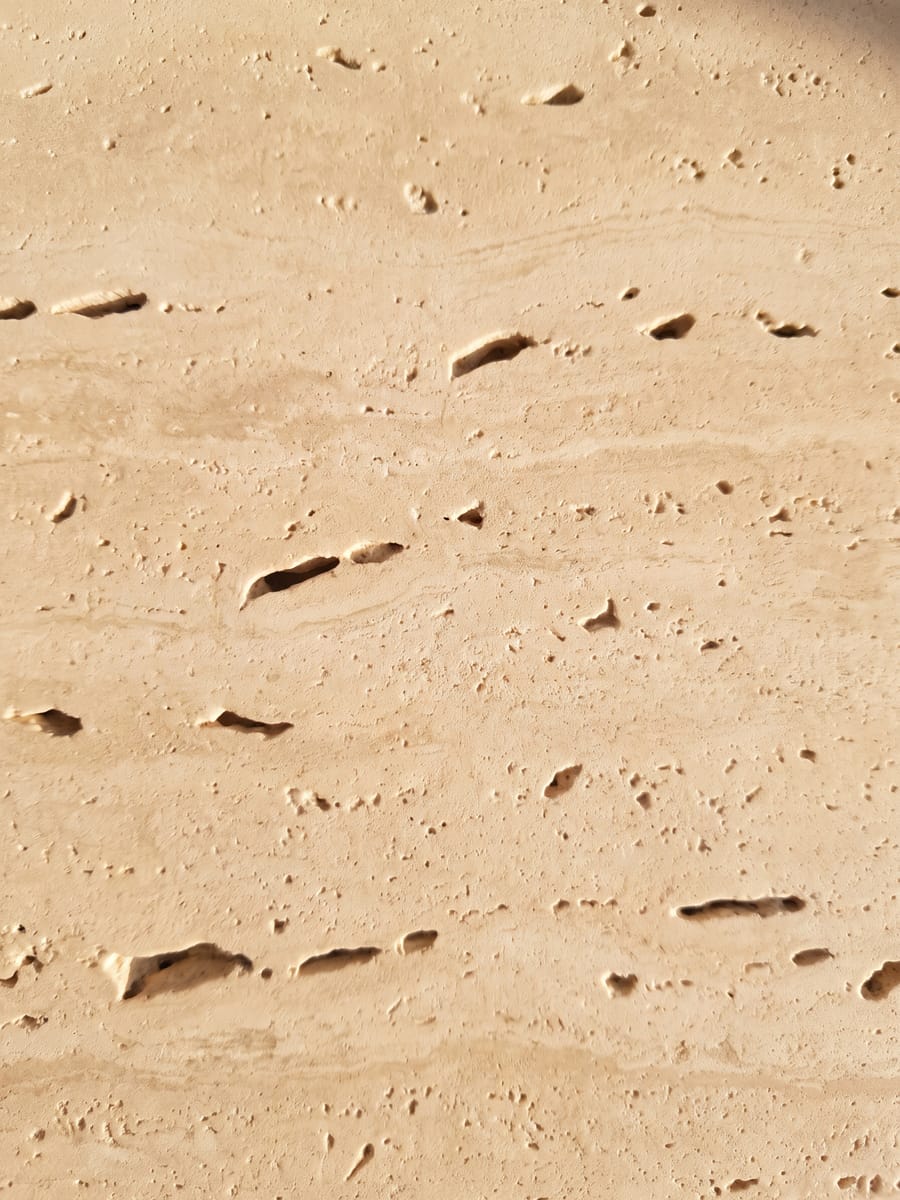
- Cream Travertine
- Thickness
- 1 mm + 5 mm
- Location
- Austin, TX · USA


MILLIMETER by Casanova South America
Marble, quartzite and travertine reduced to 1–5 millimetres. Up to 90% lighter, curves that used to be impossible, and exactly the same stone.
Too heavy for most structures. Slow and expensive to install. Impossible to curve. And every piece that reached the site could break before it was fixed.
MILLIMETER does not replace stone — it removes the thickness that was never doing any work. At 1 to 5 millimetres, stone stops being a structural constraint and becomes a design decision.
A square metre of 2 cm marble weighs about as much as a small adult. The same square metre in 1 mm MILLIMETER weighs less than a laptop.
Same stone. Same finish. Between 73% and 93% less load on the structure.
Vast uninterrupted planes, no heavy anchoring.
Thin stone over the structure already there.
Arches and columns clad in one continuous curve.
Fewer joints: less seepage, less silicone.
Stone fronts that actually open and close.
Weight compatible with standard hardware.
A real curve, not a cut that fakes one.
Only viable because it weighs under 5 kg/m².
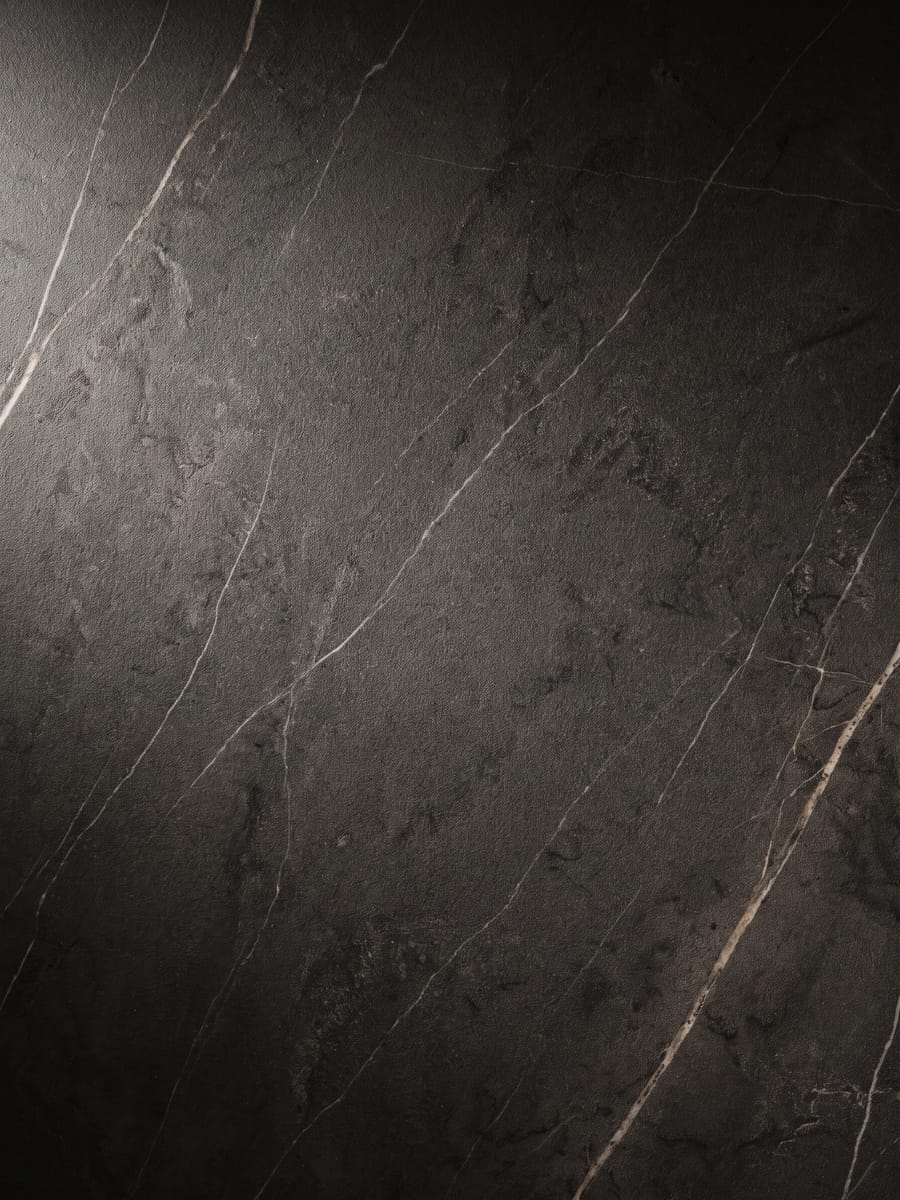
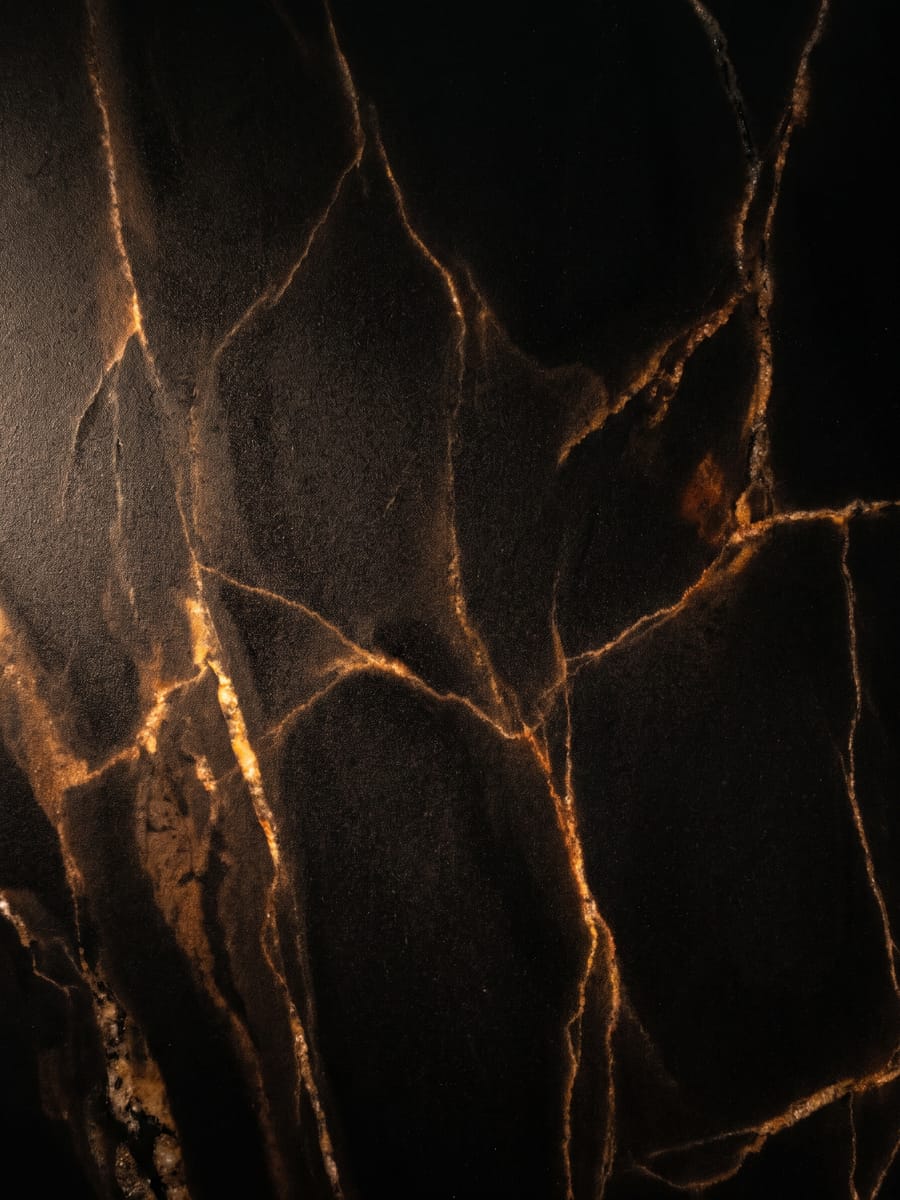
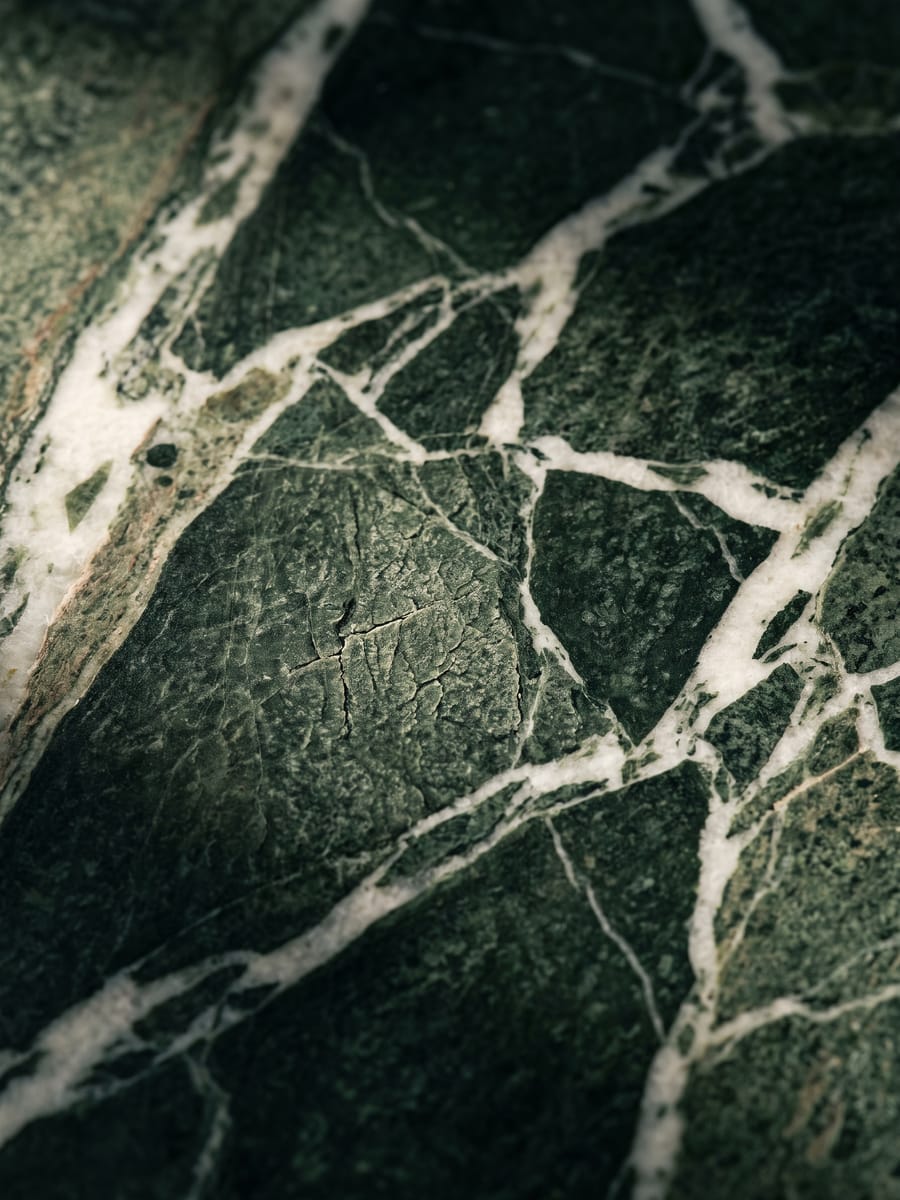
Marbles, quartzites and travertines with their veining intact. What changes is the thickness, not the material.
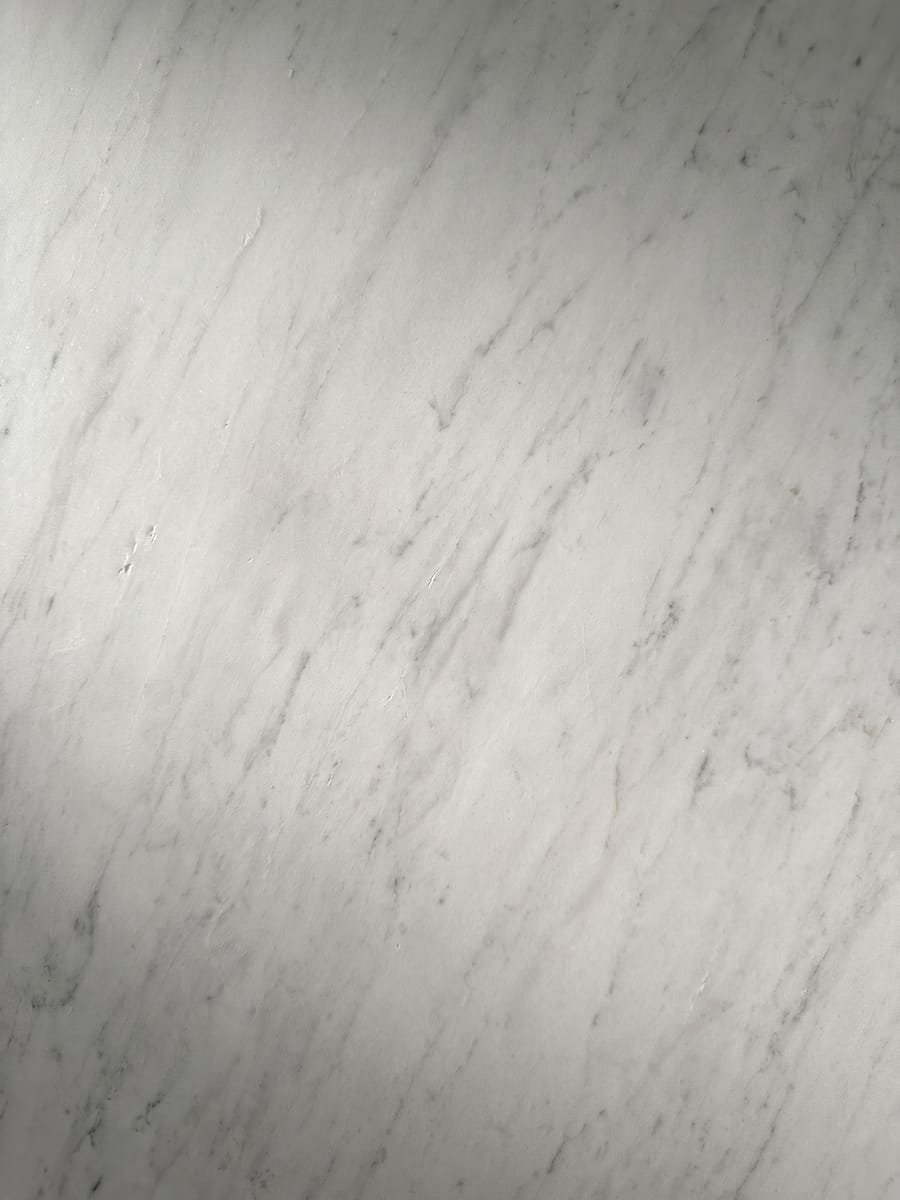
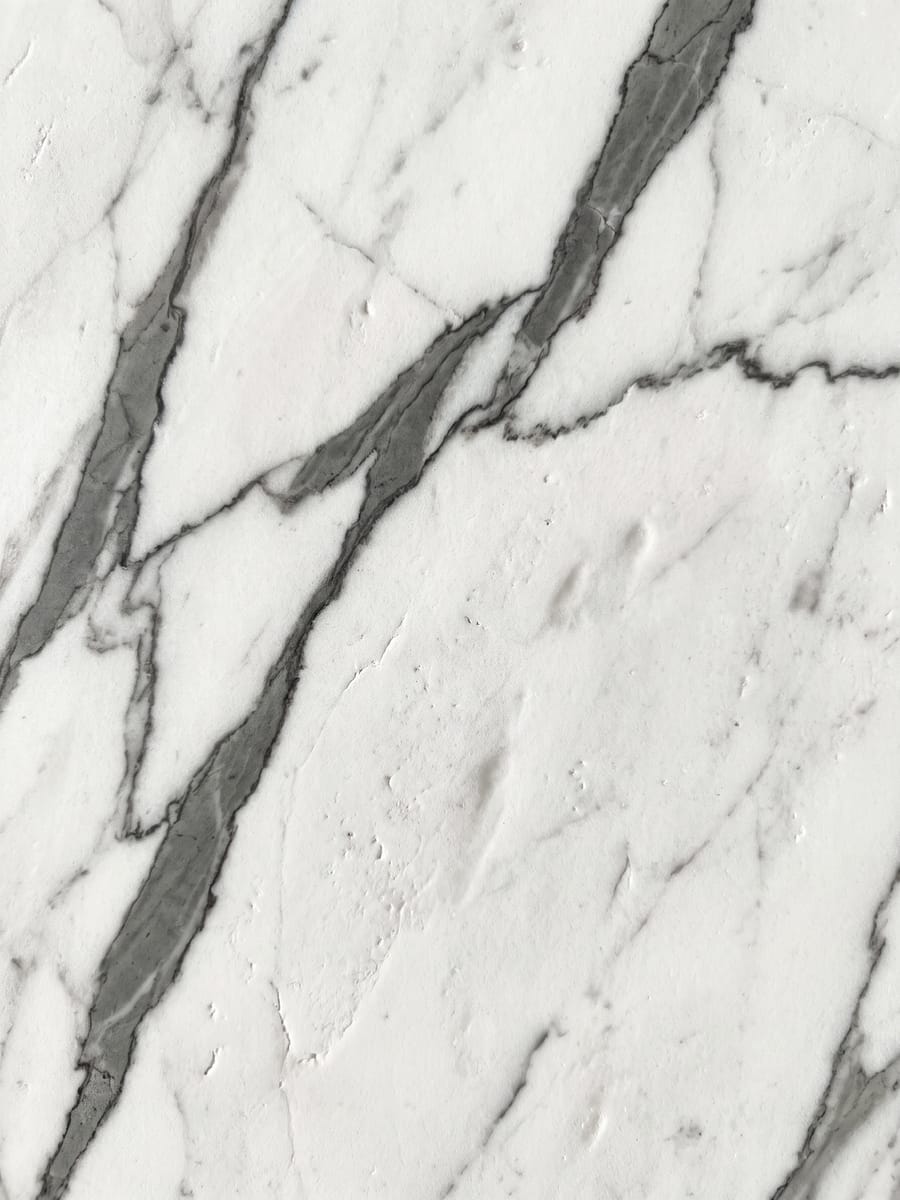
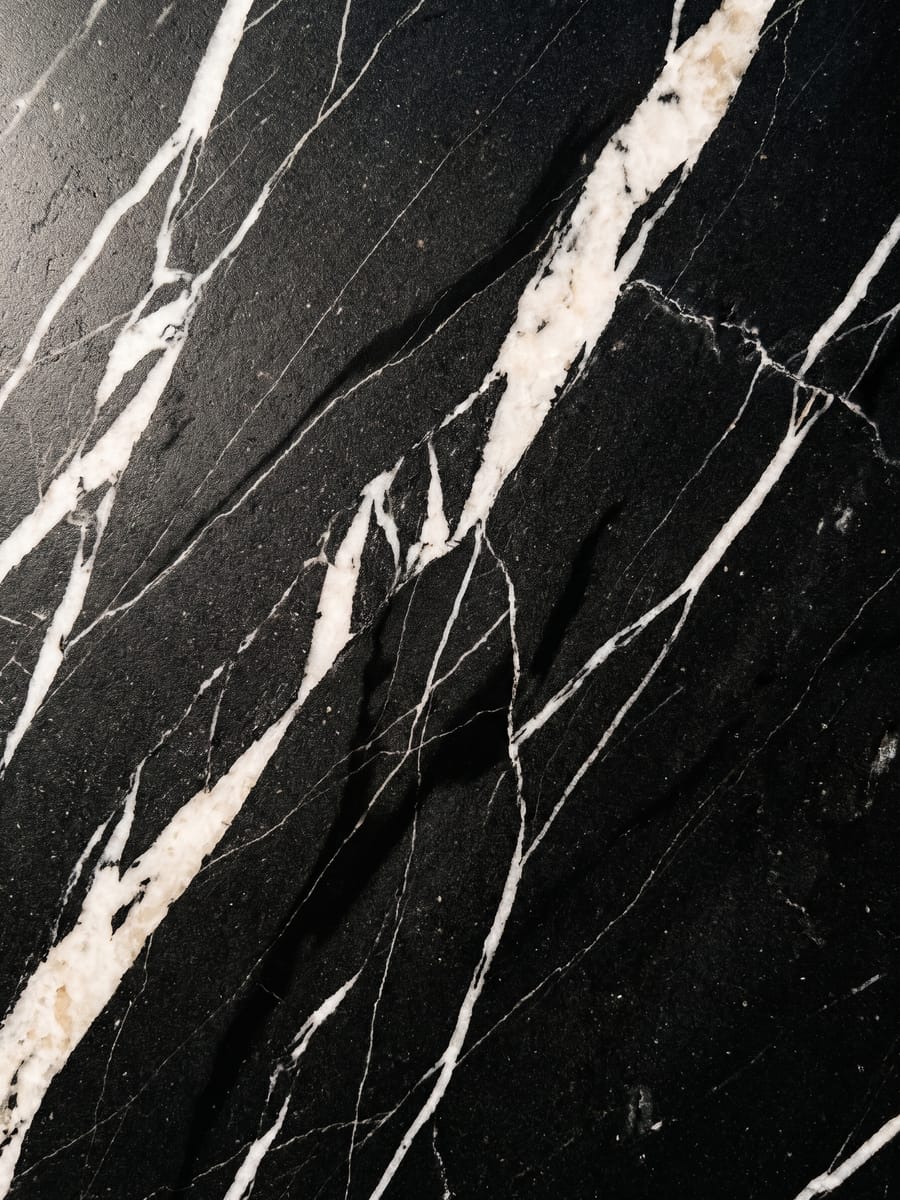
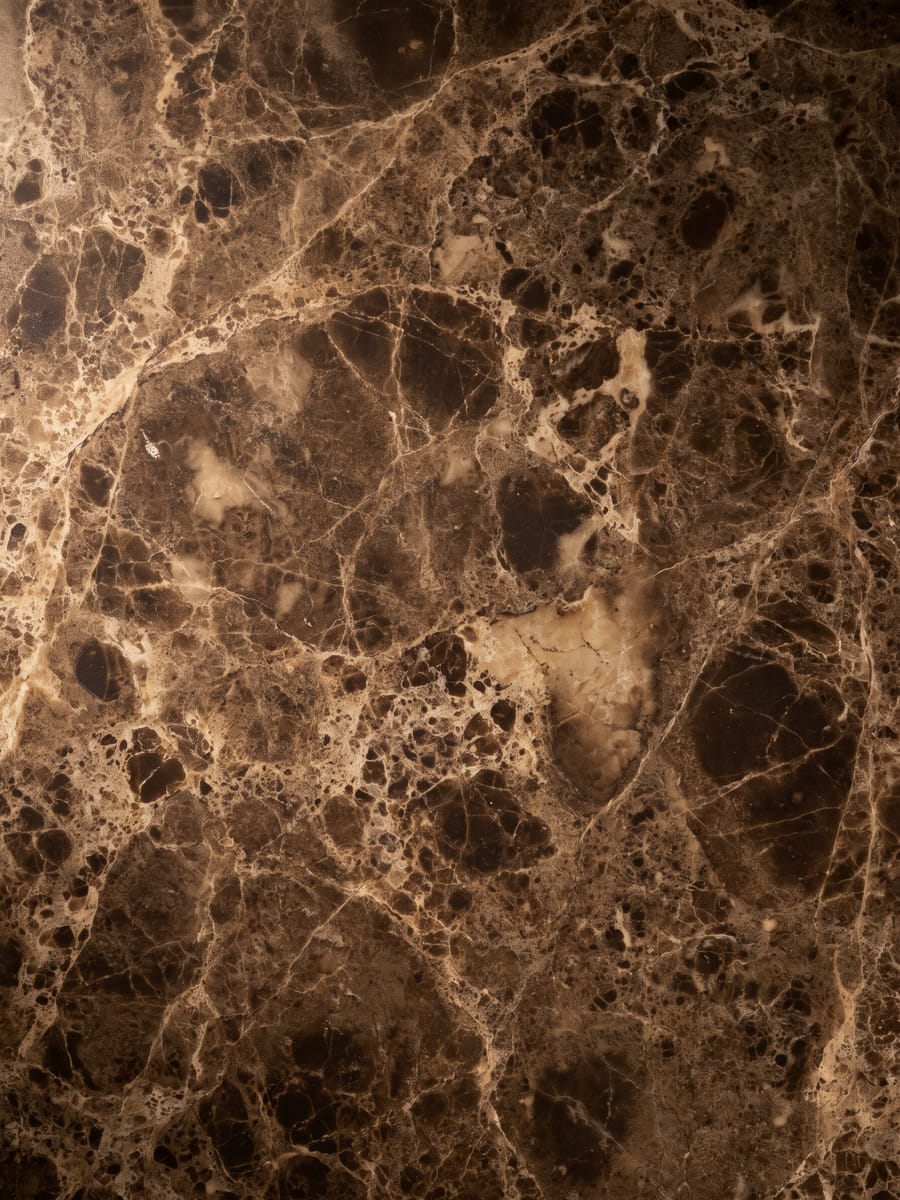
The industry is moving away from high-silica engineered surfaces because of silicosis risk to the people who cut and install them. MILLIMETER is natural stone: silica is marginal.
Engineered quartz
40–80%
silica. A serious risk for fabricators and installers.
MILLIMETER
< 0.5%
silica. 100% natural stone, with fewer artificial resins.
Figures from MILLIMETER Global LLC. Exact silica content of engineered quartz varies by manufacturer and product line.

MILLIMETER is a specification material: the decision is made by a studio, not a showroom. That is why South America has a person behind every project.
Oscar Velásquez, architect, represents MILLIMETER by Casanova across South America. He reviews the construction detail with you before there is a quote.
Next step
Drawings, references or a sketch on paper. That is enough for us to tell you whether MILLIMETER is the material, and at what thickness.